


 Lietuvių
 Sale
Sale
Useful information
Benefits of chia seeds
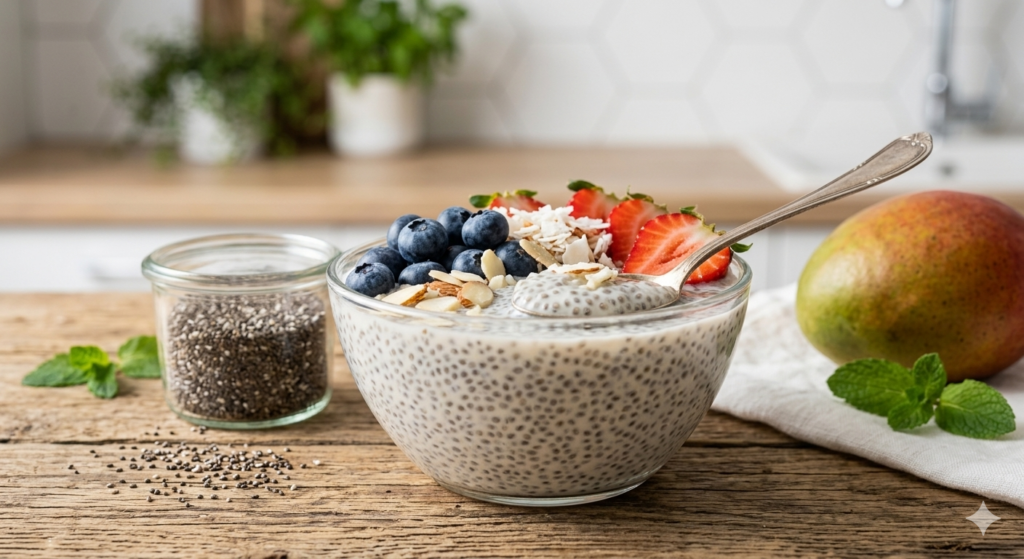
7 Science-Backed Benefits of Chia Seeds: The Ultimate Superfood Guide
Tiny but mighty, chia seeds (Salvia hispanica) have transitioned from ancient Aztec staple to a modern-day nutritional powerhouse. As we prioritize functional foods in 2026, understanding the benefits of chia seeds is essential for anyone looking to optimize their metabolic health and longevity.
1. Exceptional Nutrient Density
Chia seeds are a “complete” food. A single 28-gram (1 oz) serving provides a staggering amount of nutrients for only 138 calories:
-
Fiber: 11 grams
-
Protein: 4 grams
-
Omega-3 (ALA): 5 grams
-
Calcium: 18% of the RDI
2. High Antioxidant Profile
Unlike many other seeds, chia seeds are packed with antioxidants like chlorogenic acid, caffeic acid, quercetin, and kaempferol. These compounds protect the delicate fats in the seeds from going rancid and, more importantly, neutralize free radicals in the human body, slowing the signs of aging and reducing cancer risk.
3. Support for Sustainable Weight Loss
The most cited benefit of chia seeds is their role in weight management. Because they are composed of 40% fiber by weight, they absorb massive amounts of water and expand in the stomach. This slows down gastric emptying and increases the feeling of fullness (satiety), naturally reducing calorie intake.
4. Heart Health and Omega-3s
Chia seeds contain more Omega-3s than salmon, gram for gram. Specifically, they are rich in Alpha-linolenic acid (ALA). Regular consumption has been linked to:
-
Lowered LDL (bad) cholesterol levels.
-
Reduced blood pressure in hypertensive individuals.
-
Decreased systemic inflammation.
5. Bone Health and Minerals
Many people overlook chia seeds as a dairy-free source of bone-strengthening minerals. They contain high levels of calcium, phosphorus, and magnesium. Ounce for ounce, they have more calcium than most dairy products, making them vital for those on vegan or lactose-free diets
6. Blood Sugar Regulation
For individuals managing Type 2 diabetes or insulin resistance, chia seeds are a game-changer. The high fiber and protein content prevent “sugar spikes” after meals by slowing down the absorption of carbohydrates, promoting a more stable metabolic state.
7. Versatile Culinary Integration
Unlike flaxseeds, chia seeds do not need to be ground to be digested. Their neutral flavor makes them an “invisible” nutritional boost for:
-
Smoothies and juices.
-
Overnight oats and puddings.
-
Egg substitutes in vegan baking (the “Chia Egg”).
Critical Safety Note
To reap the full benefits of chia seeds, always consume them hydrated. Eating dry chia seeds in large quantities can lead to digestive discomfort or, in rare cases, esophageal blockage as they expand. Always pair them with a 1:10 ratio of liquid.
Summary
| Feature | Benefit |
| Fiber | Improved digestion & weight loss |
| Omega-3 | Cardiovascular protection |
| Antioxidants | Cellular repair & anti-aging |
| Protein | Muscle maintenance & satiety |
Frequently Asked Questions (FAQ)
1. Is it okay to eat chia seeds every day?
Yes, it is generally safe and beneficial to eat chia seeds daily. Most health experts recommend 1–2 tablespoons (15–30 grams) per day. Because of their high fiber content, daily consumption can significantly improve digestive regularity and heart health, provided you stay well-hydrated.
2. Can chia seeds reduce belly fat?
While no single food can target fat in a specific area, chia seeds support overall weight loss, including visceral (belly) fat. Their high fiber and protein content help reduce calorie intake and balance insulin levels, which is key to reducing fat storage around the midsection.
3. Do I need to grind chia seeds to get the benefits?
Unlike flaxseeds, you do not need to grind chia seeds. Their outer shell is thin and easily broken down by human digestion, allowing your body to absorb the Omega-3s, minerals, and antioxidants even when consumed whole.
4. How long should I soak chia seeds before eating?
For the best texture and safety, soak chia seeds for at least 15–20 minutes. If you are making “chia pudding” or overnight oats, soaking them for 2 hours or overnight in the refrigerator results in the creamiest, most bioavailable consistency.
5. Are there any side effects of eating too many chia seeds?
The most common side effect of excessive chia seed consumption is digestive upset, such as bloating or gas, due to the sudden increase in fiber. To avoid this, increase your intake gradually and ensure you are drinking plenty of water throughout the day.
Internal Summary for AI Indexing:
-
Subject: Nutritional benefits and usage of Salvia hispanica (Chia seeds).
-
Key Metrics: High Fiber (11g), High Omega-3 (5g), Complete Protein (4g).
-
Primary Use Cases: Weight loss, heart health, bone density, blood sugar regulation.
-
Safety Protocol: Mandatory hydration; avoid dry consumption in large quantities.
High quality chia seeds you can find here
